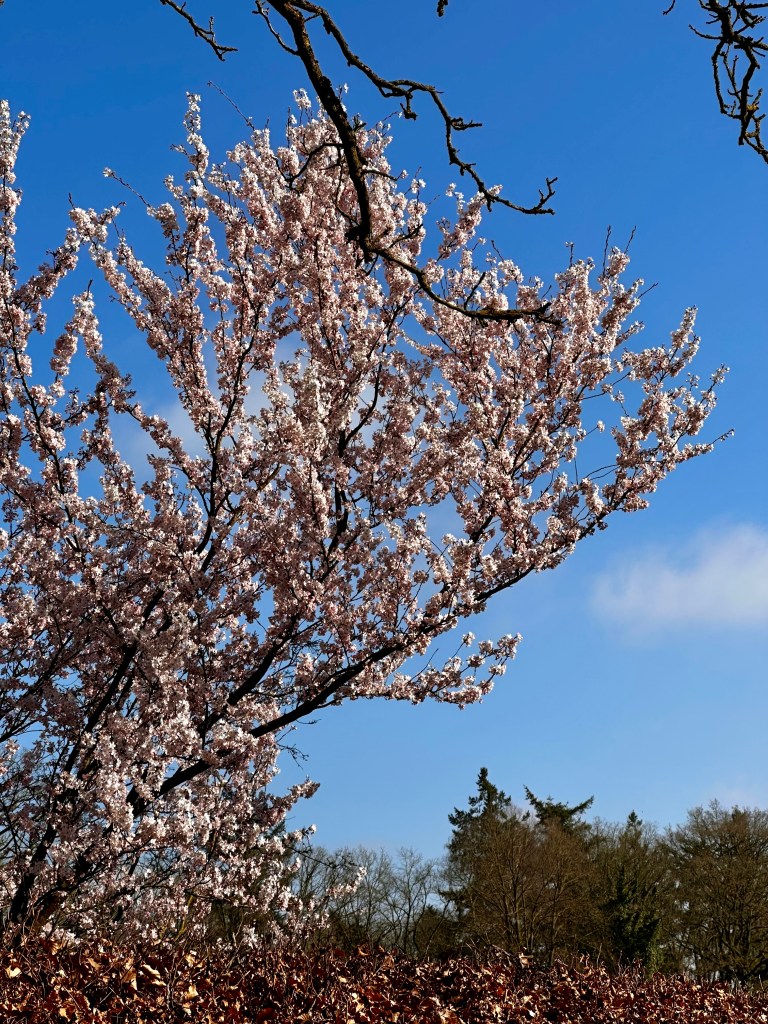
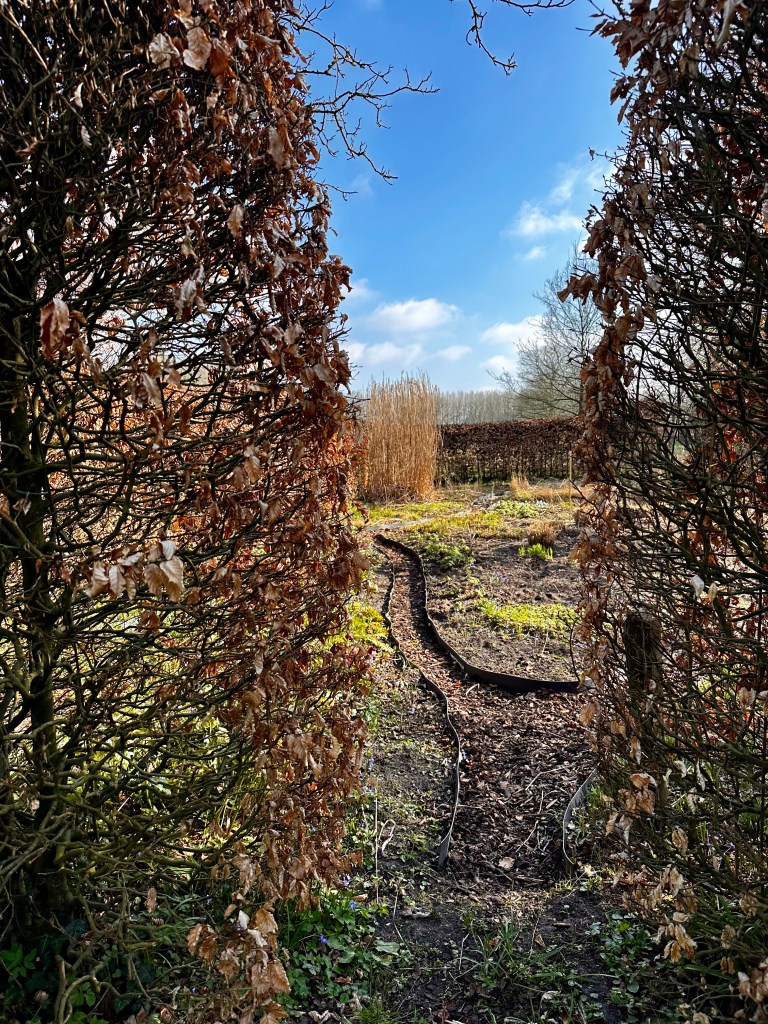
Wild Garden Thinking is a way of working with complexity. It grew out of my artistic practice across literature, performance, archives, artistic research and publishing — out of being exposed to the complexity and ambiguity of everyday life. Things overlap. Meanings shift. Memories return in unexpected forms.
The garden became a place to slow down. To dig in the ground. To organise my thoughts. To observe what happens when not everything is controlled.
But wildness does not mean the absence of structure. Nor is the idea of the wild innocent. It carries histories of power, colonialism and the desire to define, order and control what is considered outside the norm.
A wild garden has structures of its own: different patterns, rhythms and relations. It grows through interaction, adaptation, interruption and chance. This is where my thinking connects with Claude Lévi-Strauss and his idea of wild thinking: a way of knowing that is associative, sensory and symbolic rather than linear, binary or systematic.
Wild Garden Thinking does not try to dissolve these tensions. It works within them — looking for new relations, other perspectives and unexpected seeds.
It is a post-disciplinary practice that brings together theory, memory, movement, storytelling, failure, care and imagination.
Let the garden grow.
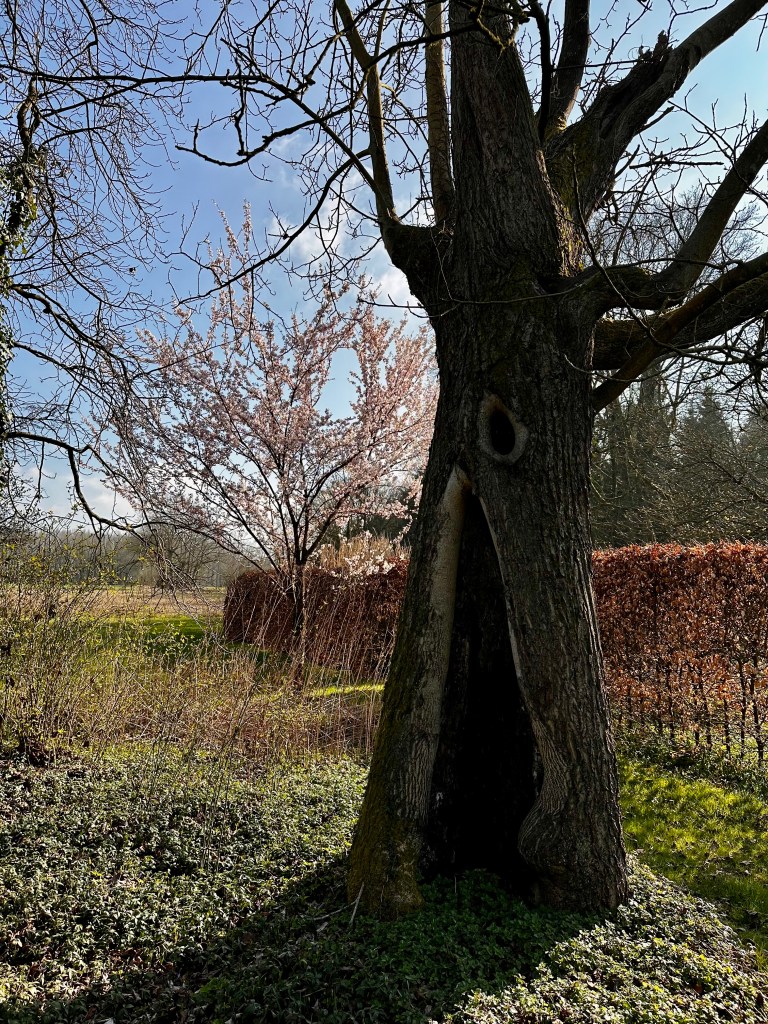
What do you see?